How HIFU Treatment Is Adapted to Different Areas of the Face
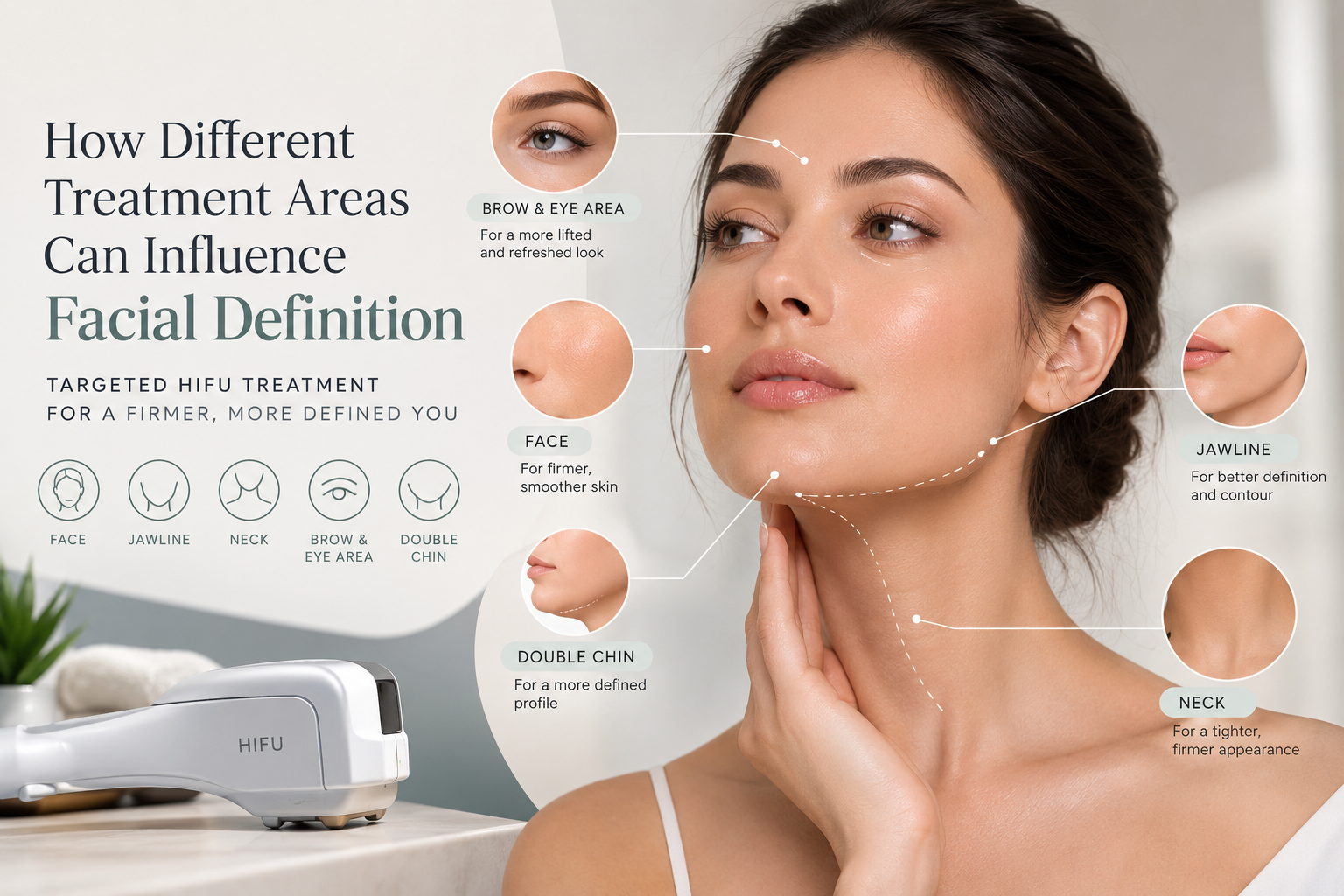 HIFU is not approached in exactly the same way for each part of the face. It is planned according to the area being treated, the degree of skin laxity, and the patient's concerns. This is also a reason why hifu in dubai can be more targeted rather than following a generalized approach.
Why Treatment Areas Matter in HIFU
Different parts of the face may have different concerns that need to be addressed. The jawline may be treated to improve the appearance of sagging skin on the lower face, while the neck may require attention to a separate area of loose skin.
With hifu in dubai, the device applies targeted ultrasound to selected areas instead of applying the procedure randomly across the face. The treatment area is considered before the session so that the procedure can be directed where it is needed.
Working Around the Jawline
The jawline is one area where skin laxity can affect facial definition. HIFU can be directed toward selected parts of the lower face as part of a treatment plan.
The focus is not simply on treating the entire face. Instead, the practitioner can identify the area that requires attention and plan the session around it.
Treating the Neck Area
The neck can also be included in a treatment plan when skin laxity is a concern. Since the neck is a separate treatment area, it can be assessed individually when considering the procedure.
This approach makes it possible to account for differences between facial and neck areas rather than treating them all in the same way.
Adapting Treatment Around the Brow and Eye Area
The brow and eye area may also be considered in a HIFU treatment plan, depending on the device used, its approved indications, and the individual's needs. Treatment is directed toward suitable areas following a professional assessment.
This is important because facial areas differ, and the area being treated can influence the appropriate device settings and technique.
Discussing specific concerns during a consultation can help people understand which areas may be suitable for treatment when considering HIFU.
Considering the Under-Chin Area
The area beneath the chin can be another focus when planning HIFU. Rather than automatically treating the entire face, the procedure can be concentrated on selected areas when appropriate.
During the procedure, a suitable treatment head is placed against prepared skin, typically with ultrasound gel where required by the device. The practitioner uses the handheld device to deliver focused ultrasound energy to the targeted area, following the treatment plan and device guidelines.
One Treatment Does Not Mean One Identical Approach
While the fundamentals of a HIFU procedure remain the same, the targeted area can affect how the session is planned. Someone receiving treatment around the jawline may have a different focus from someone whose primary concerns involve the neck or under-chin area.
A session may last around 30–60 minutes, depending on the device and the areas being treated. Some patients may experience warmth, tingling, or discomfort during the procedure. The exact experience varies by individual and treatment method.
Area-based planning is an important part of understanding HIFU. Rather than treating every part of the face in exactly the same way, the practitioner considers which areas are appropriate for the individual's treatment plan.
Discussing Your Treatment Areas Before the Session
A consultation can help establish which areas may be treated and what kind of plan is appropriate. The practitioner can assess the skin, discuss concerns, and explain the expected benefits and limitations before the session.
Being clear about the areas you would like to focus on can also help establish realistic expectations about the treatment and the gradual results it may provide.
A More Targeted Treatment Plan
HIFU treatment planning takes the selected areas into account rather than automatically applying the same approach everywhere. Whether the concern involves the jawline, neck, brow area, or under the chin, the plan should reflect the individual's needs and the device's approved treatment areas.
For people exploring hifu in dubai, understanding how treatment can be adapted to different facial areas makes it easier to know what may happen during the procedure and why a consultation is an important part of the process.