Pelican Engineering · Lafayette, Louisiana

Engineering That Goes From Concept to Production.

Electrical engineering, embedded firmware, mechanical design, and in-house electronics manufacturing brought together under one roof for products that have to perform in the real world.

Production 100k+ Circuit boards annually
Capacity 3 In-house production lines
Facility 85k Sq ft Lafayette operation
Experience 2015 Engineering hardware since
Supplier Qualification

Certified, licensed, and built for supplier qualification.

ISO 9001
ISO 9001Quality management
IPC-A-610
IPC-A-610Assembly workmanship
Professional engineering
Professional EngineeringLicensed engineering capability
What We Do

Four capabilities. One accountable team.

Most Pelican programs use multiple disciplines. Keeping them together removes the vendor handoffs where requirements, schedules, and accountability usually break down.

Capability 01

Embedded Firmware Engineering

Control logic, sensors, communications, power management, bootloaders, updates, and legacy firmware recovery written against the actual hardware.

Bare-metalRTOSBLEModbus
Explore firmware →
Capability 02

Custom PCB Design & Manufacturing

Schematic capture through populated, tested boards — from a single prototype through sustained low- and medium-volume production.

PCB LayoutBOMAssemblyFixture Test
Explore PCB →
Capability 03

Mechanical & Product Design

Enclosures, CAD, production drawings, tooling, thermal considerations, and design-for-assembly developed alongside the electronics.

3D CADEnclosuresDFMTooling
Explore mechanical →
Capability 04

Hazardous Location Electronics

Class I Division 1 and 2, ATEX, IECEx, Zones 0–2, intrinsic safety, explosion-proof, nonincendive, and certification-ready documentation.

CID1/2ATEXIECExIntrinsic Safety
Explore HazLoc →
Pelican Engineering contract electronics manufacturing environment
One building · Lafayette, LouisianaThe engineer who designed it can walk to the line that builds it.
Why Pelican

One roof changes how problems get solved.

Instead of splitting electrical, firmware, mechanical, and manufacturing across multiple vendors, Pelican keeps one team, one schedule, and one company accountable from concept through production.

Direct engineer accessNo account-manager relay when technical decisions need to be made.
Manufacturing from day oneBuild and test constraints influence design before release.
Fixture-tested boardsEvery board is verified against a dedicated product fixture before shipment.
Long-term supportThe same team handles revisions, obsolescence, and field issues later.
Start Your Project
Industries

Built for equipment that cannot afford to fail.

Pelican’s roots are in oil and gas, and the discipline required by harsh-environment work carries into every sector we serve.

Energy and oil and gas electronics systems

Energy & Oil/Gas

Downhole tools, artificial lift, wellsite controls, telemetry, and hazardous-location hardware.

Know more →
Defense electronics

Defense

Rugged embedded systems, secure telemetry, and reliable assemblies for shock, vibration, and temperature extremes.

Know more →
Medical device electronics

Medical Devices

Precision instrumentation, low-noise analog work, isolation-aware design, and regulated-development documentation.

Know more →
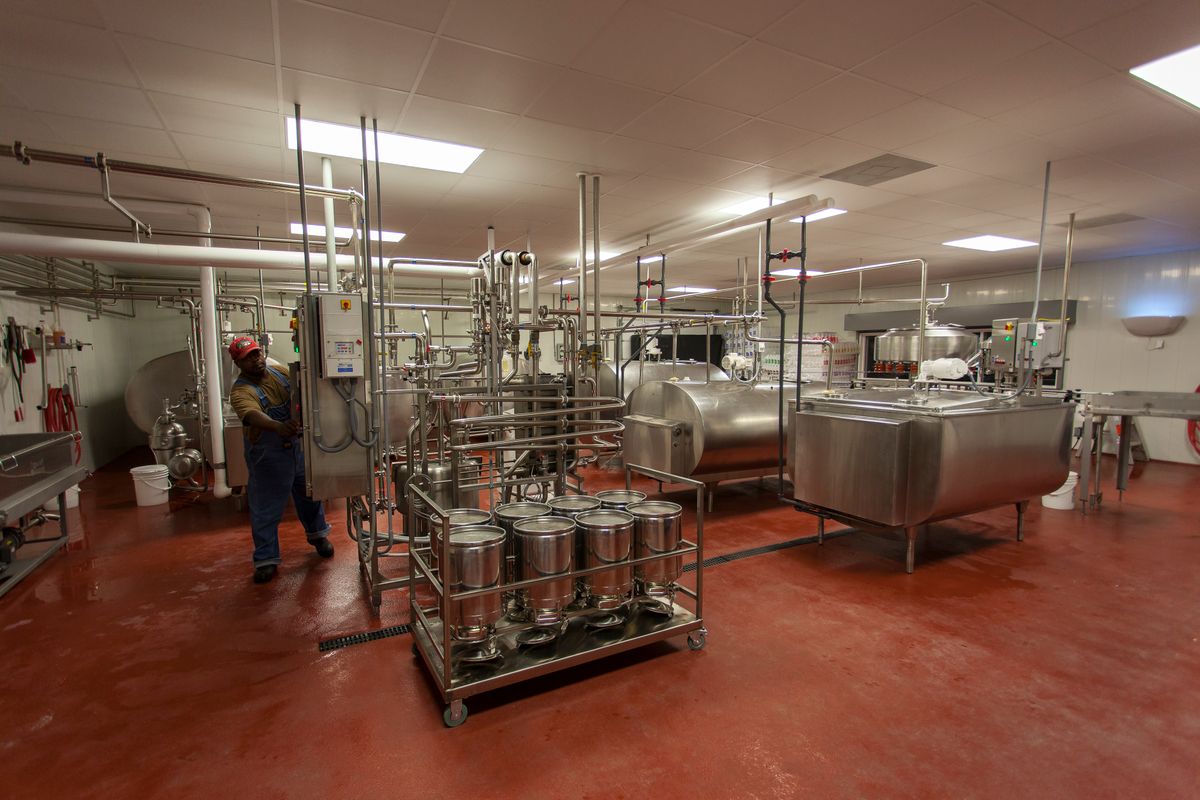
Sanitary food processing and production facility

Food Safety

Washdown-rated enclosures, sensors, and monitoring hardware for harsh cleaning and thermal cycles.

Know more →
Industrial automation control cabinet with PLC hardware

Industrial Automation

Controllers, HVAC electronics, sensor and I/O boards, and retrofit hardware for installed equipment.

Know more →
Sports engineering and technology product testing

Sports & Recreation

Rugged outdoor electronics, sensors, and BLE connectivity for products that get dropped, soaked, and used hard.

Know more →
How It Runs

Three stages from requirement to supported production.

Choose a stage below to see what happens at each phase of a Pelican program.

Click a stage to explore
01

Requirements and Estimate

A technical intake covers what the hardware has to do, the environment it lives in, what it connects to, and how many you need. You receive an estimate and a design plan.

Company Overview

Built from one prototype into an 85,000 sq ft operation.

Pelican Engineering is a registered professional engineering firm in Louisiana, available for consultation in electronic product development and all aspects of electrical engineering design and manufacturing.

25+Team members
3Production lines
100k+Boards annually
Pelican Engineering headquarters in Lafayette, Louisiana
85,000sq ft Lafayette facility
2015

Founded in a shared development area, with the first program centered on an oil and gas embedded prototype.

2018

Moved into an 18,000 sq ft Lafayette facility and added PCB assembly capability for production.

2025

Expanded into an 85,000 sq ft building to scale engineering and turnkey manufacturing capacity.

Today

Three manufacturing lines produce more than 100,000 circuit boards annually.

Pelican Engineering leadership and engineering team

Leadership & Engineering Team

Justin Courville, P.E., PMP

CEO

Accomplished Professional Engineer and project management expert with over 18 years of experience in the oil and gas industry. He holds an MBA and is a Project Management Professional, distinguished by his success in managing complex, high-scope projects. Justin's expertise spans across designing new facilities, upgrading existing ones, and enhancing maintenance.

James Palmer, MS, MBA, P.E.

Founder

James Palmer is the founder of Pelican Engineering with 20 years of experience in design and engineering management. His experience is varied across several industries, including defense, industrial and medical sectors. He is currently an adjunct faculty member at the University of Louisiana where he teaches senior level electives in Digital Signals Processing and Embedded Systems.

Wade Falcon, MS

Chief Operating Officer

Over 20 years of combined professional experience in principal electrical engineering design and overseeing large engineering development teams. With a background in telecommunications and embedded systems, his career spans O&G, aerospace & defense, and academia. His technical expertise ranges from high speed RF & digital design to low-level embedded systems.

Marie Palmer

Chief Administrative Officer

Graduated from UL Lafayette with a BSN. Marie seamlessly transitioned from her role as an Emergency Room nurse to taking the reins of administration at Pelican Engineering in 2015. Her educational excellence and strategic vision have contributed to the company's operational efficiency. Currently pursuing an MBA at UL Lafayette, Marie exemplifies a commitment to continuous learning.

Nolan John Edwards II, P.E.

Director of Business Development

A Lafayette native, licensed Professional Engineer, and founding member. Mr. Edwards's experience in mixed signal electronics design and manufacturability optimization equips him to serve as Director of Business Development. He has designed embedded products for hazardous locations, medical devices, and mass-manufactured process controllers.

Matt Fanguy, P.E.

Director of Manufacturing

A graduate of Mechanical Engineering from UL Lafayette, Matt applies his interest in mechanical design and volume manufacturing to lead a production team that exceeds expectations. Instrumental in the design of injection molds, test fixtures, and process design, he works in tandem with electrical designers to ensure each product is engineered with manufacturing and assembly in mind.

Standards & Trust

Quality Certifications & Industry Compliances

We operate to the highest industrial standards, providing you with confidence in our manufacturing reliability, engineering precision, and regulatory adherence.

ISO 9001

ISO 9001

Pelican Engineering proudly holds ISO 9001 certification, underscoring our unwavering dedication to upholding rigorous quality standards. This assures customers of our commitment to consistently delivering products of the highest quality.

By adhering to the stringent guidelines, we ensure that every aspect of our business—from customer interactions to product development—is meticulously managed and continuously improved.

IPC-A-610

IPC-A-610

Our manufacturing staff holds IPC-A-610 certification, a testament to their expertise in adhering to the highest industry standards for electronic assemblies. It governs the acceptability of quality and workmanship.

This certification is crucial for our clients as it ensures that our manufacturing processes consistently meet or exceed industry benchmarks for reliability, functionality, and safety.

LAPELS

LAPELS

We are proud to have three engineers who hold licensure as Professional Engineers accredited by the Louisiana Professional Engineering and Land Surveying Board.

This prestigious certification demonstrates their advanced expertise, commitment to professional standards, and adherence to ethical practices, ensuring precision, compliance, and safety in our work.

Engineered for Global Regulatory Compliance

HazLoc / ATEX

Intrinsically safe and explosion-proof designs (Class I, Div 1/2) for hazardous oilfield and industrial atmospheres.

UL / cUL / CSA

Hardware engineered to pass strict North American safety standards for electrical safety and fire hazards.

RoHS & REACH

Environmentally compliant component sourcing and lead-free manufacturing capabilities for global export.

FCC / CE

EMI/EMC tested telemetry and wireless communication design ensuring no interference in the field.

Frequently Asked Questions

Do you handle both hardware and firmware for hazardous location products?
Yes. Our team designs the PCB, enclosure strategy, and embedded firmware together, since fail-safe behavior in a hazardous location product depends on how hardware and software interact under fault conditions.
Can you get my product certified?
We don't issue certificates ourselves; that's the role of a notified body or NRTL. We design the product and build the technical documentation package, so certification testing goes smoothly for the first time.
What information do you need to start a hazardous location project?
We need your target zone or division classification, gas group, temperature class, and the markets you're selling into. From there we can scope the design and certification path.
How long does an ATEX or Class 1 Division 1 project typically take?
Timelines vary by complexity, but most projects run several months from initial design through pre-compliance testing, with certification review adding additional time depending on the notified body's queue.
Can you manufacture the product after it's certified?
Yes, we run in-house PCB assembly and low-to-mid volume production, so your certified design moves directly into manufacturing without switching vendors or re-qualifying a new contract manufacturer.
Do you work with intrinsically safe barriers and energy-limiting circuits?
Yes, intrinsically safe circuit design with energy-limiting barriers and galvanic isolation is a core part of our hazardous location electronics work.
What industries besides oil and gas need this type of design?
Chemical processing, mining, grain handling, and any facility with flammable gases, vapors, or combustible dust in the air can require similar hazardous location electronics design.

Contact an Engineer

Send us your zone or division classification, gas group, temperature class, and target markets. An engineer—not a salesperson—will follow up.

See what Pelican
can do for your
business.

GET A QUOTE
PCB Board
Insights & News

Latest from the Engineering Blog

PCB
Hazardous Location

Ex i vs. Ex d: Choosing a Protection Concept Early

Why flameproof enclosures aren't always the answer, and how power budget and enclosure size should drive the decision before layout starts.

Read Article
Processor
Certification

What a Notified Body Actually Looks For in Your Technical File

Thin documentation is one of the most common reasons projects come back with findings. Here's how to build the file the first time.

Read Article
Industry
Manufacturing

Component Substitutions That Quietly Invalidate Certification

Certification is tied to specific components, not just a schematic. How change management keeps CID1 assemblies compliant batch after batch.

Read Article
Code
Firmware

Fail-Safe Firmware Behavior Under Fault Conditions

How hardware and software interact to transition an Ex-rated device into a safe state during abnormal conditions.

Read Article
Start a Project